What The VA Really Does With Your Disability Claim


This is the final part of a three-post series on why you want to file a VA disability claim (even if you think you’re not disabled) and what goes on behind the scenes.

The first post explained why you want to file your disability claim, not just how to file it.  The second post explained why you should prepare as much of your claim as possible up front as a “fully developed” package and described various techniques to handle the Compensation & Pension exams.

Now we’ll wrap it up with the VA’s actions and your final decisions.

(Note: this post was originally published in 2016 and eventually consolidated with other posts on TheMilitaryWallet. I’m re-publishing the 2016 version, updating it for the PACT Act and my eight more years of personal experience.)


After the C&P exam

Image of the logo of the Veterans Administration with a link to VA.gov | MilitaryFinancialIndependence.com

Click here for your account.

When you leave the doctor’s office, you still have homework to finish.

The most important task is taking notes on anything you heard or thought of during the exam that you need to research later. Your hot washup (and the actions you take afterward) might help you avoid weeks of confusion which could slow down your claim or even cause a denial. When you’re back home, review any recordings or other thoughts and add your notes to your personal record of your VA claim. If a problem crops up later, this reference will help you keep track of the chronology and maybe even identify mistakes.

Pro tip: the C&P doctor is not treating you, but they may suggest other treatments or physical therapy. Follow up on those suggestions– they may help improve your health!  (In addition, the doctor might even be hinting that seeking treatment will document a continuing need for it that will help confirm the validity of your claim.)  If you seek additional treatment or physical therapy, upload those records to your VA.gov account so the VA can see that you’re still seeking treatment for the disabilities that you’re claiming.

Save all of your papers from the C&P exams, including the notification letter for your appointment. If the VA has questions (or if your claim is denied) then you (or your lawyer) may need to follow up with the doctor. The VA will also send you a feedback survey which asks for the name of your doctor. If the doc did a great job (or if you felt there were issues) then that survey is the best place to let the VA know.

The VA can’t use your feedback survey to evaluate your claim, but answering the survey questions will help you review your records again. If the C&P doctor isn’t doing a good job for the VA, then your frank feedback could avoid problems for many other vets. Besides, if you skip out on the surveys then the VA’s website might decide that your account is incomplete.


What happens next?

Once the C&P exam is returned to the VA, their raters translate the doctor’s ICD codes and analysis into specific disability percentages. That process is completely out of your control, and most of it is also difficult to reverse engineer from a search engine. (We’ll get back to that in a few paragraphs.)  After the raters determine the numerical value of each disability, they’ll calculate an overall disability rating.

Disability math is equally confusing, and it’s an entire other post. Thankfully I won’t have to create it because my blogger mentor Ryan Guina has already written an excellent summary of the math of a VA disability rating. You can also listen to his podcast about determining how the individual disability ratings are combined into a final score.

Once your rating has been determined, the VA figures out your compensation.

Here’s another rookie mistake:  for many years, I naïvely assumed that the disability rating for retirees was multiplied by your pension to figure out how much you’d be giving up for tax-free compensation. This gross conceptual error kept me blissfully ignorant of why I needed to file a claim right away. After all, if I was “only” 10% disabled and that saved me taxes in the 15% bracket, then I was just saving 10% x 15% = 1.5% of my pension, right?

Um, no. Not only is this <buzzer> wrong wrong wrongthe first post of this series listed several other very compelling reasons to file your claim. Learn from my mistakes.

The VA rater enters a set of compensation tables with your rating, as well as your marital & family status. (Remember giving them a copy of your marriage license and your kids’ birth certificates?) The veterans compensation benefits rate tables show exactly how many dollars you’ll receive, or how much of your pension you may be giving up. If you’ve entered your financial account numbers into your VA.gov account then the VA is ready to send you money.


Show me the money?

If you’re a military veteran yet not a military retiree, then your VA money is headed your way. Remember that you’re also potentially eligible for a host of other veteran’s benefits from vocational rehabilitation to medical care to education to reduced fees on VA loans.

But by now a few of you retirees are thinking “Wait, what? Giving up pension?!?” Well, yeah. It’s the VA disability compensation offset.

Your military pension is paid by the DoD but your disability compensation is paid by the VA. Even though you have a disability rating, the law says that if you’re rated at less than 50% then all you get is a tax break. You give up a dollar of your (taxable) DoD pension for every dollar of (tax-free) VA disability compensation that you receive. This reduces your taxable income (and your tax bill) without actually creating a new stream of income.

2024 pro tip:  I get a lot of questions about tax forms.  If your military pension is offset by VA disability compensation, then your retiree IRS Form 1099-R simply shows a smaller number for the taxable amount of your pension.  You never get a tax form about VA disability compensation, and there’s not even a code about it on your 1099-R.  The VA never tells the IRS that you’re receiving VA disability compensation.

However, if you’re rated at 50% or more, then you’ll keep both your pension and your VA compensation. Read Ryan’s post on Concurrent Retirement and Disability Pay for the details.

If you’re at least 10% disabled and it’s connected to combat (or training for combat, or hazardous duty, or an “instrumentality of war” that injured you instead of the enemy) then you may be eligible for the Combat Related Special Compensation program. That might completely eliminate the VA disability compensation offset, or it might only reduce it a little. The requirements are complex and confusing, but read about the details in Ryan’s CRSC post.

If you believe that you’re eligible for either CRDP or CRSC, then contact your VSO to work it out with the VA and DFAS. (Sorry about the acronym jargon bingo.)  You may need to apply with both the VA and the Defense Finance and Accounting Service because they’re separate programs with different verification requirements.

You may also be eligible for backdated compensation. Those details are far beyond the scope of these posts and they have highly individual answers, so read Ryan’s posts at TheMilitaryWallet and contact one of us if you have questions.


Just a few more things.

When your claim is finished, the VA archives all of their work in their claims file (also known as a “C-file”). Once your claim is finished, even if you agree with everything, remember to file a request for a copy of the file. You want to have your own record of your claim in case your situation changes over the years, and you’ll absolutely need your C-file if you’re appealing the results of your claim. Talk to your VSO, or read more about obtaining your C-file at Nolo’s legal website.

Someday your family will greatly appreciate that you took the time to obtain your C-file, so that they don’t have to.

It’s possible (yet very unlikely) that years from now the VA will re-evaluate your claim. They might have made a mistake, or the medical evidence has changed, or you may have claimed an additional disability which re-opened the question of one of your original disabilities. Save these documents for the rest of your life. It’s also remotely possible that your survivors will need the data to protect their survivor benefits.

Let’s make one thing clear: if you disagree with the VA’s decision on your disability claim, then get a copy of your C-file and review it with your VSO. The VSO can explain the VA’s claim letter and maybe even find the paper trail in your C-file. If that explanation isn’t satisfactory then you should decide whether it’s worth your time (and money) to hire a lawyer.

Again, every claim letter is a highly individual assessment, and we can’t help you figure out why the VA made the decision they did. Consult a lawyer and decide whether the possible compensation is worth the very real cost of time & effort (and legal fees).


My personal details of my VA disability claim

(Some of you readers have asked. If you don’t care then please skip this section.)

I submitted my “fully developed” claim in February 2016, nearly 14 years after retiring. (The first post in this series explains how I made that ignorant mistake.) I’ve finished the C&P exams and I’m waiting for the VA to ask more questions– or to determine the disability rating I just got word from the VSO on 2o April that the VA has everything they need.  They’ve turned the claim over to the raters for processing and determining the disability rating I received a rating of 30%

My injuries are relatively minor yet all too common among vets:
Tinnitus. (Both ears.) For my fellow submariners, it’s 12-18 KHz tonals but no broadband (yet).  It does not wake me up at night.
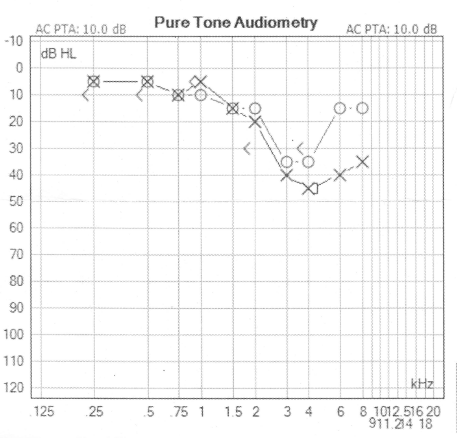
Hearing loss. People seem to sneak up on me from behind. I have trouble picking higher-pitched voices out of background noise, much to the disgust of my spouse and daughter.  2024 update:  Hearing aids can fix this issue, a topic for an entire new post.
I’ve torn the ACLs in both knees and scraped up the cartilage in all four meniscuses (“meniscii”?). I’ve stressed the surrounding tendons. My left tibia is rotated a few degrees outboard. There’s less joint space between my tibias & femurs and extra bone growth around my medial meniscuses. The damage shows up on an X-ray as early degenerative osteoarthritis. It’s constant minor pain (2-3 out of 10).
I have a submarine history of ear infections, respiratory viruses, bronchitis, and pneumonia. That continued through shore duty but it finally eased up in retirement. Chronic fatigue? Stress? Atmosphere control chemicals? I still take a daily antihistamine for congestion.  I’m also rated at 0% for sinusitis and rhinitis, which means that the VA has acknowledged the service-related connection.
• If you were inport Subic Bay during the eruption of Mount Pinatubo in June 1991, please contact me to discuss the hazards of inhaling volcanic ash for 24 hours.

As I said, minor. My tinnitus and hearing loss is a hazard of submarine engine rooms (even despite excellent hearing protection) yet millions of civilians cope with those conditions every day. My knee pain is reduced with exercise (surfing, walking, squats, lunges) and ibuprofen. I’ve given up skydiving, skiing, basketball, and (regrettably) taekwondo sparring. I can run if I must, but no triathlons or even 5Ks for me.  My lung capacity is down to 70% but (frighteningly) that’s considered “normal for a man of my age.”

Everything adds up to a disability rating of 30%. Again, for more details on those numbers (including the dreaded “bilateral” factor), read about the calculations and the math of the VA disability rating at Ryan Guina’s excellent post on The Military Wallet.


Call to action:

Every blog post should inspire you to go forth and do something. Here’s what you can tackle after reading this post.

If you’re on active duty: Make sure everything is documented in your medical and service records! If you’re concerned that the military medical community may ground you (or even disqualify you) then at least take care of your health with a civilian doctor (and get a copy of those records). Even if an injury or illness might be your own dumb fault, it’s still likely service-connected and could someday be eligible for disability compensation.

If you’re leaving active duty: When you have your separation physical, discuss all of your lingering medical issues and seek treatment for them. (You have to show that a disability impacts your life, and you have to seek treatment for it.) Get a full copy of your medical record and get started on your VA disability claim.  Don’t wait– I can affirm that the process does not get easier after 14 years.

If you’ve already separated: Contact your local VA Regional Office or a veteran’s organization to find a VSO. Once they’ve answered your questions then you can decide on filing a claim. Remember, if you don’t file a claim now, then someday your family (or your survivors) may have to do it for you in order to obtain your benefits. Save everyone the trouble and file your claim now.

If you’ve already filed a claim: When you receive your claim letter, apply for a copy of your C-file! It’s the only way to check for accuracy, and you’ll absolutely need it if you’re appealing the claim. Even if you agree with the VA’s decision, get that C-file. Someday you (or your family, or your survivors) may have to upgrade your claim and they’ll need the information.

If you disagree with your VA disability claim results and you want to appeal: Get a copy of your C-file, discuss it with your VSO, and (if you’re still not satisfied) then find a lawyer.


There are no affiliate links or paid ads in this post.  Try your military base library or local public library before you pay money for these books– in any format.


Military Financial Independence on Amazon:

The Military Guide cover
  • Reach your own financial independence
  • Retire on your terms
  • Success stories and personal checklists
  • Royalties donated to military charities

Use this link to order from Amazon.com!

Raising Your Money-Savvy Family on Amazon:

The Money-Savvy Family cover
  • Reach your own financial independence
  • Teach your kids how to manage their money
  • Specific tactics from my adult daughter
  • Checklists and spreadsheets for your family

Use this link to order from Amazon.com!


Related articles:
Part 1:  Why You File Your Veterans Disability Claim (Not Just How) (It’s for your spouse & caregivers.)
Part 2:  What Happens When (Not Just How) You File Your VA Disability Claim (This is done in parallel with your separation or retirement physical.)
VA SITREP video “Three Tips for VA Disability Claims”
Part 4: What Happens After Your VA Disability Claim Has Been Approved

Posted in Military and Veterans Benefits, Military Retirement, Money Management & Personal Finance | Leave a comment

What Happens When (Not Just How) You File Your VA Disability Claim


Last week’s post explained why you want to file your disability claim, not just how to file it. Now we’ll get into why you should prepare as much of your claim as possible up front as a “fully developed” package for Benefits Delivery at Discharge by the time you separate from active duty.

It’s time (once again) to visit the Veteran Service Officer.

(Note:  this post was originally published in 2016 and eventually consolidated with other posts on TheMilitaryWallet.  I’m re-publishing my 2016 version, updating it for the PACT Act and my eight more years of personal experience.)


Why you want a fully-developed claim and Benefits Delivery at Discharge

Image of the logo of the Veterans Benefits Administration | MilitaryFinancialIndependence.com

Communication is the key.

The VA is required by law to research and develop your claim before their raters can evaluate the severity of your disability. If you do all the work for the VA up front and submit a fully-developed claim then they’ll skip most of the development process and render a faster decision.

The big advantage of the fully-developed claim is that you retain much more control over the process. That’s because you (and the VSO) are doing almost all of the work. When you file the claim, you’ll affirm to the VA that you’ve submitted all of the evidence and that you don’t have any more records for them to locate or evaluate.

Another benefit of a fully-developed claim is that its results will be determined more quickly. (The VA saves time in the process because, once again, you’ve done most of their work.) If the VA realizes that more information is needed then they’ll pull the claim from the fully-developed pipeline and do the additional work. But if they agree with you that they have all the data then they’ll move straight to the next step.


Filing the claim

It’s tempting to just sign up for your eBenefits VA .gov account* and start uploading your medical records.  Don’t do that yet! The last post showed you how to work with a VSO (and your team) to gather and organize your records, and now you can use the VSO to help submit the fully-developed claim. They’ve reviewed hundreds of medical records and filed those claims for other veterans, so they’ll avoid your potential mistakes.

Image of the VA.gov login showing four ways to log in with Login.gov, ID.me, DS Logon, or My HealtheVet. | MilitaryFinancialIndependence.com

I recommend Login .gov.

(* 2024 update: If you have the time to go through the Login .gov signup & validation process, the VA is now part of that login system.)

The VSO will not only review your medical record for problems that you’ve reported at sick call. They also have the database of presumptive conditions which are already linked to known exposures.  If you have your dates & locations, you might save yourself an extended series of medical exams to document your symptoms.  Vietnam veterans are asked about Agent Orange exposure and Gulf War veterans may be checked for symptoms from burning oil wells. Navy engineering duty might imply exposure to asbestos steam-pipe lagging, and submariners are questioned about radiation exposure.

(2024 update:  The PACT Act expands a long list of presumptive conditions and updates other emerging disability ratings such as exposure to toxic particulates like burn pits.  It also includes additional healthcare benefits.)

I had a long talk with the Oahu Disabled American Veterans VSO about exposure to the airborne radioactive isotopes from the 1986 Chernobyl reactor accident (all the way out in the North Atlantic) and the effects of breathing volcanic ash during the 1991 Mount Pinatubo volcanic eruption. “Luckily” no presumptive conditions are linked to those disasters (yet).* If any medical or physical effects had been related to those events then I would have had to start digging for a pile of submarine deck logs and air-sampling records (classified?) as well as old “I was there” fitness reports and buddy statements. Personally, it’s also a big relief to know that neither of those incidents is likely to have a long-term impact on me, and maybe now I’ll sleep better at night.

(* 2024 update:  Yeah, it turns out there are long-term impacts after all.  As part of the PACT Act review, I’ve filed an updated claim for rhinitis and a new claim for chronic sinusitis– both connected to service during the Mt. Pinatubo eruption.  The VA concurs with a service connection for both and has rated both at 0%.    If either condition gets worse then I’ll update my medical exams and apply for a higher rating.)

After the VSO checks for presumptive conditions, they’ll look for links to other service-connected disabilities. In addition to showing that an issue arose from your service, there needs to be a persistent impact on your life after the military. The VA wants to know how you’re affected by a situation and see that you’re still seeking treatment for a problem. If you’ve avoided the military medical system (or seen a civilian doctor on your own) then the VSO can help you determine whether you can document your claim and can even help you track down records.

Once you’ve reviewed your medical records with the VSO then you’re ready to submit your claim. You’ll include your DD-214 to prove your dates of service and the character of your discharge. Some VA benefits are linked to your family status so you’ll include your marriage certificate and birth certificates for any minor children who you’re still financially supporting. (Even if you’re married to another military veteran, you can both receive VA disability compensation with your milspouse as a family member.)  That family information is used by the VA to determine your compensation rate for your disability.

After all your record-gathering and research, filing the claim is surprisingly anticlimactic. The VSO will bundle up the pile of medical records and other documents that you’re submitting, print out a few forms for your signature, and click a “Submit” button on the VA’s website. They’ll forward your documents to the nearest VA regional office for scanning and adding to the VA database.

Even after your claim is submitted by the VSO, you’ll still stay in touch with them. As part of submitting your claim, you’ll give them a limited power of attorney to represent you with the VA. The VSO will guide your fully-developed claim through the VA bureaucracy, and they can also answer your questions about the next steps in the process.

One final tip: when you submit your claim to the VA, they’re going to schedule your “Compensation & Pension” medical exams. It’ll take at least 2-4 weeks for them to set up the appointments, but you want to be available for those appointments. Ideally you’ll do them in parallel with your separation physical as part of the VA’s Benefits Delivery at Discharge.  If you know that you’ll be out of the area for a long period of time (a deployment or extended travel) then try to push on filing your claim before you go.  You can still do the exams later, and your claim will still be effective on the day you separate from the military, but you could end up delaying your own benefits.


Your eBenefits VA .gov account

Now that your claim has been filed, you can track it with your VA .gov account.  (2024 update:  I found it much easier to use my Login .gov credentials.) Sign up, log in, and in a few days, you’ll be able to review the data on the dashboard. You’ll also need to add your bank account information so that the VA can distribute your compensation (if any) by direct deposit. The VA will update your dashboard with the status of your claim and any messages they need to send to you.


Your Compensation and Pension medical exams

After a wait of a few weeks to a few months, you’ll be notified of your appointment(s) for your C&P exam(s).

These can be a problem. The VA hires contractors to schedule the appointments for you, and the doctors who administer the exams are very busy. I’ve seen plenty of complaints about last-minute notifications, time conflicts, or even letters arriving after the appointment date. When you’re living in an area with a high concentration of veterans, or if your claim requires an assessment by a medical specialist, then you may have to drive quite a distance. You’ve probably filed your disability claim as part of your impending separation (as recommended in the first post of this series) so you already have a lot on your calendar. These appointments will just complicate your schedule, but they’re a necessary burden.

I asked one of the C&P doctors about the appointment scheduling. She had to go through a certification process to do these exams for the VA, so there are already a limited number of doctors for your claim. The VA asks the doctors to put their available time slots on the contractor’s scheduling website, and then the contractor fills in the schedule. If the doctor’s schedule changes then they can’t just call you– they have to go through the contractor. If the doctor needs more time (or if they’re called away on an emergency) then you’re going to be waiting until the doctor’s available. If the appointment conflicts with your schedule, then the contractor will put you at the bottom of their list for the next C&P appointment. Your claim is stuck in the processing pipeline until the appointment is completed, and plenty of other veterans are competing with you for limited resources.

You can see the potential problems if you’re about to separate from the service and move to a new address. Make sure that your VA .gov account, your VSO, and your VA clinic all have your latest mailing address and phone number. If you know that you’re making a big move on a certain date, and there’s not enough time to finish your C&P exams before the move, then it’s worth waiting on filing your claim until after you’ve made the move and settled in to the new address.

If the contractor messes up the appointment (or the mail isn’t delivered in time) then tell your VSO and the VA (through your account) as quickly as you can. That starts the documentation trail if your claim is mishandled or if you later appeal a finding. You’ll have to work out a new appointment with the contractor, and that may be an unpleasant experience, but the contractor also knows that their performance is monitored by the VA. Be polite, be persistent, and let the contractor know that you’ll keep the local VA office informed as well.

Pro tip: when the contractor notifies you of your C&P appointment, rearrange your life to make it happen. If you’re on active duty, be willing to take leave if necessary. If you’re out of the military already, take the day off work and figure out childcare or other logistics. Nobody cares about how busy (or how important) you are. You have very little negotiating power here, and the next rescheduled appointment could be weeks away.


C&P exam study guide (“the gouge sheet”)

The C&P doctor is simply an objective third-party authority who tries to clarify and validate the details of your claim. They don’t diagnose or treat any symptoms, and they don’t make the final decisions. They don’t determine the final rating (the VA does that) but they give the VA the data needed for that analysis.

The C&P doctor is also a human being. Some of them do C&P exams because they’re rock-star professionals who feel a deep commitment to helping veterans. (Maybe they’re military vets too, or maybe one of their loved ones is a vet.) A few doctors do C&P exams because it helps them fill their appointment book and pay their medical school student loans. Any of those doctors could be having a bad day when you walk into the exam room. Your attitude will definitely set the mood for how your claim is assessed, and if the doctor forms a bad first impression then your entire claim could be derailed.

No pressure, right? 99% of these appointments go well, and you might even learn helpful advice from the doctor. Unfortunately, this situation calls for varsity-level adulting, and you need this appointment to succeed a lot more than the doctor needs you. Regardless of how well the two of you hit it off, you’re going to have to be the polite and reasonable grownup. This is a fantastic time to have your family member, friend, or wounded-warrior advocate in the room with you to help defuse any rising tension. (Just the presence of another person may help encourage professional behavior from everyone.) Let the doctor know right away why they’re with you, and tactfully obtain their permission before you try to record any video or audio.

Your C&P doctor has also done many more exams than you, and they’ve developed their finely-tuned attention for the way you describe your condition. (They may even have a preconceived opinion on your diagnosis.) They’re not going to heal you and they don’t work for you– they’re simply trying to gather technical medical info for the VA. They’ll have specific questions and they’ll be alert for specific vocabulary. Hopefully, the two of you can have a conversation rather than an interrogation, but it’s up to you to avoid an adversarial relationship. This exam is not the time for long detailed war stories or for trying to take charge of the situation. Don’t exaggerate or dissemble. Try to offer short, factual responses that the doctor can transcribe into their examination report, and try to make it easy for the doctor to do their job. (The next section will give a few more tips on making the doctor’s report faster and more supportive of your claim.) Ideally, the doctor will relax, open up a little, and engage you in a conversation that exchanges more information.

Ask polite questions if you don’t understand what the doctor is doing. If you’re impressed or surprised by the techniques or equipment that they’re using, then say so! Your feedback could prime the doctor’s conversational pump and help both of you understand each other. The more you know about what the doctor is trying to find, the faster and easier you can make the exam for them.

Pro tip: don’t be a tough guy. You’re at the C&P exam because you have a condition that affects your ability to earn a living, and it might even cause chronic pain. Show exactly where it hurts and when it starts to hurt.  Use the VA’s 10-point pain rating scale for when you’re trying to sleep, when you wake up, when you’re walking, and when you’re exercising.  Don’t minimize (or exaggerate) the symptoms, and don’t try to set new personal records for strength,  flexibility, or pain tolerance. Have concrete examples of how it affects your daily life.

One of my C&P doctors wanted to know how long I could stand, how far I could walk, and exactly how many stairs I could climb before my knees hurt. Another doctor surprised me by asking whether my tinnitus wakes me up. (No– but yikes!) The questions may seem odd or even intrusive, but the doctors are trying to translate your description into standardized, precise medical terminology that will quickly be processed by the VA raters. They know a lot more than you ever will about what the VA needs to know, and it’s up to you to make it easy for them to supply that info.

Another pro tip: assume that the doctor couldn’t read your medical records. The VA now scans your fully-developed claim onto their website and gives the doctor online access. However, if your records are illegible or the scan is poor or the doctor’s network has a glitch, then they might have to reschedule your appointment. You can save the day by bringing a copy of your medical record for their personal use. If you have the time, you could even organize it and tab it by specific dates and symptoms. During the exam, ask the doctor about anything that you feel should be brought up in the claim. Figure out whether they’ve already seen it in your online records or else point it out to them.

If you’ve generated (or found) more medical records since your claim was filed, then upload them to your VA .gov account and absolutely bring a paper copy for the doctor. The VA will eventually assess the documents you upload, but it might not happen in time for your C&P doctor to see them.

One of my C&P doctors (at the VA clinic) was so concerned by my description of my knee symptoms that he sent me to the X-ray lab. I literally walked up to the counter, checked in, and was sent back to the imaging table within seconds. Sure enough, the X-rays immediately confirmed the osteoarthritis(!) symptoms that I’d described. Along with older imagery on file at the VA clinic, and the diagnosis in my medical record, they’re exactly the evidence that the VA rater uses to determine the disability rating.

This video provides another overview of the VA’s C&P exam process. (Hopefully, they’ll catch that typo.  They fixed the typo.) Again, your exam could happen at a VA clinic or at a private doctor’s office.


Queue the DBQ for your cues

Here’s another way to make the doctor’s life easier: the Disability Benefits Questionnaire.

This extremely valuable advice comes from long-time reader Ben and was confirmed by the VSO. The VA is expanding the Disability Benefits Questionnaires as part of the fully-developed claim, and they’re available for the most common symptoms.

In technical terms, the DBQ is the doctor’s guide to the International Classification of Diseases ICD-10 medical codes for describing the precise details of the disabilities you’re claiming.  In layman’s terms, it’s a checklist of all the symptoms that can be linked to an ICD code for the VA raters to determine the degree of disability. You want to use this form to learn the doctor’s questions about your symptoms and how you’ll describe your answers. You’ll also learn a lot of interesting (scary, gross) medical vocabulary.

Before you go to your C&P exam, spend an hour reading through the form and looking up the meanings of the codes. You’ll find the vocabulary that the doctor will use as they write up their diagnosis for the VA. If you have the time, try to fill out the entire DBQ and bring it along with you. If you and the doctor are getting along, then as the exam is finishing up you could politely mention that you tried to fill out the DBQ. Ask the doctor if they’d like to refer to it as they’re writing up their results.

Keep in mind that you’re using the C&P exam and the DBQ as one more way of communicating with the system. You’re not trying to memorize the vocabulary or exaggerate your symptoms. You certainly want to avoid giving the impression that you’re a medical commando. Instead, you’re making sure that the doctor has everything they need to write up their analysis for the VA, and so that you two don’t have to repeat the exam if anything is missing.

When you’ve filled out a DBQ (to help you and the doctor have a productive conversation) then you might be tempted to upload it to your VA .gov account. More evidence must be a good thing, right? I decided not to do this because I’m not trained on the best way to fill out a DBQ. I don’t understand all of the “right” techniques and I’d hate to make a rookie mistake. Instead, I offered the DBQs to the doctors and let them decide how to include my ideas in their reports.

3000 words later I’m finally at a good stopping point, so I’ll finish this post off in a third part. If you haven’t already read the first post on filing the VA claim, then here’s that link again.


Related articles:
Part 1:  Why You File Your Veterans Disability Claim (Not Just How)
VA SITREP video “Three Tips for VA Disability Claims”
Part 3: What The VA Really Does With Your Disability Claim
Part 4: What Happens After Your VA Disability Claim Has Been Approved

 
 
There are no affiliate links or paid ads in this post.  Try your military base library or local public library before you pay money for these books– in any format:


Military Financial Independence on Amazon:

The Military Guide cover
  • Reach your own financial independence
  • Retire on your terms
  • Success stories and personal checklists
  • Royalties donated to military charities

Use this link to order from Amazon.com!

Raising Your Money-Savvy Family on Amazon:

The Money-Savvy Family cover
  • Reach your own financial independence
  • Teach your kids how to manage their money
  • Specific tactics from my adult daughter
  • Checklists and spreadsheets for your family

Use this link to order from Amazon.com!


Posted in Career, Military and Veterans Benefits, Military Life & Family, Military Retirement, Money Management & Personal Finance | Leave a comment

Why You File Your Veterans Disability Claim (Not Just How)


“Learn From My Mistakes… Without Repeating Them!”

There are roughly eighty-two gazillion websites which will tell you HOW to file your disability claim with the Veterans Administration. (I’ll link to some of them.) This post explains WHY you want to file your claim (even when you feel 0% disabled), and why you want to do it as you’re separating from the service. I’ll also explain why certain steps happen in a specific way and I’ll share a few pro tips on optimizing the process.

If you’re a spouse or family member of a veteran, I’ll also share why you are personally motivated to encourage your vet to file their VA disability claim.

(Note:  this post was originally published in 2016 and eventually consolidated with other posts on TheMilitaryWallet.  I’m re-publishing the 2016 version, updating it for the PACT Act and my eight more years of personal experience.)


Bottom line up front

  • When you’re leaving the service, start your VA disability claim with your separation physical. It’s much easier to do it in parallel with your physical, and it’s the best time to document any service-connected disability. (Because you’re still… in the service.) Even if you’re disgustingly healthy when you’re leaving active duty, file the claim now so that it’s on the record if a surprise pops up later.
  • If you’ve already separated yet haven’t filed a VA disability claim yet then start one now– so that your loved ones won’t ever have to do it for you. Even if the VA decides that you’re 0% disabled, you’ve done the hard work so that the claim could be upgraded later.
  • If you’ve given up on your VA disability claim, then talk to a local veteran’s organization (like a chapter of Disabled American Vets or the American Legion, even if you’re not a member) and consider getting legal assistance. You have nothing to lose.


Image of the logo of the Veterans Administration, with a link to their eBenefits page. | MilitaryFinancialIndependence.com

Click here for eBenefits.

It’s not just about the money. It’s about taking care of yourself now and making it easier for others to take care of you later.


Avoid these mistakes

In retrospect, I made a very common mistake. When I sat through the VA disability presentation at the Transition Assistance Program, I didn’t think that any of it could possibly apply to me. I didn’t feel disabled or even a little broken. I’m financially independent and I didn’t need to care about veteran’s hiring preference or disability programs.

It took me four more years after retiring to understand that I might have a service-connected issue (or two or four). If I’d consulted a Veteran Service Officer during my retirement physical (or had my medical record reviewed by the VA claims expert who was at TAP) then they would have shown me the error of my ways. The Department of Defense’s military separation physical only makes sure that you’re not sick or injured when you leave the service. They might not find your service-connected disabilities (unless you’re aware of the issue) and they’re not required to help you file a VA claim.

(2024 update:  yeah, I had issues.  It took me years to understand how my exposure to volcanic ash messed with my respiratory system and my sinuses.  The PACT Act has now made this nearly automatic for exposure to the toxic particulates of burn pits.)

I was also avoiding treatment. In some branches of the service, the medical community can stop your career in its tracks. When I was on submarines, if I’d had to take any medications stronger than a decongestant then I would have been pulled from certain duties. If I’d had knee problems then I might have been beached from sea duty and even disqualified from the submarine force. I spent so many years minimizing or even hiding my symptoms (like most guys, “I’m good!) that it was difficult to change my attitude at my retirement physical.

The “I don’t deserve this” attitude is frequently seen among veterans. By the time I retired in June 2002, wounded warriors were returning from Afghanistan to our local VA clinic. I didn’t feel as though I had any right to clog up the care pipeline with my whiny little complaints about minor Cold War injuries. Vets tend to adopt a stiff upper lip and push through the pain. Hopefully, our lessons of the decades of war will improve that situation a little.

If any of this seems to apply to you (or a loved one) then here’s an additional problem: the VA disability claims process is detailed and tedious. It’s difficult to navigate. If you’re dealing with chronic injuries or pain, let alone a traumatic brain injury or PTSD, then the VA disability claims process is downright impossible. The only practical solution is building a team to help you.


Why you need to file your disability claim

Ironically, it’s not about you.  It’s about your loved ones.

If you’re financially independent then it might not even be about the money.

When my father ended up in a care facility with Alzheimer’s, the very first question from the geriatric care manager (and the care facility staff, and the lawyers) was whether he was eligible for VA benefits.

Dad was drafted years before I was born. He completed the Army’s 90 days of minimum training before being given a “critical skills” waiver (electrical engineering) and sent to the inactive Reserves. We never spoke of it when I was growing up, and Dad never talked about it even after I joined the military.

Five decades later and after a few years of Alzheimer’s, all Dad could remember about his military service was a night spent guarding a tank. (He said he was cold.) It took my brother and me over a year to stumble across the box which contained his (misfiled, crumbling) DD-214, and it took several more hours to research 1950s veterans benefits.

As you might predict, Dad wasn’t eligible for veterans benefits. It would’ve been nice to have had that discussion while he had his cognition, or to find it in his estate plan, or even (heaven forbid) to find a copy of a VA disability claim file. In retrospect, it’s clear that Dad never thought he’d be eligible for any veteran’s benefits. (He was right.) I wish he’d thought to write that down somewhere.

(Note for my spouse and daughter: Check the “Emergencies” folder in my desk drawer.)

Several other readers have mentioned this memory issue. Ideally, someday you’ll also be old enough for someone to ask about your veteran’s benefits. Maybe it’ll just be story time, but maybe your caregiver is trying to find help. You’re the only person who really knows what you went through during your service, and the daily events might not be written down anywhere. (Or they’re still *ahem* classified.) If it takes 20 years for the medical community to learn (and for the VA to reluctantly acknowledge) that you might have been exposed to something during your service, then you want to have the relevant data already on hand. Try to imagine yourself decades from now (or ask a Vietnam vet) and consider how frustrating it might be for you (let alone for your family) to start the claim in your 70s.

Even if you’re financially independent, maybe it still is about the money. When you’re “only” 20% disabled then you may not receive much compensation (just a smaller income-tax bill), but decades later your condition could get worse and you could end up 100% disabled. If your situation deteriorates then you (and perhaps your family and your caregivers) will be busy enough without the additional burden of filing your VA claim. Your veteran’s benefits might pay for your treatment, and they might also help support your caregiver. If your assets are dwindling and you’re facing Medicaid, your VA benefits might even offer the financial support of “Aid and Attendance”. People will ask you (or your family) about it, and it’d be great if you had this information in a file folder.

Finally, you might be all about the money. If you become unemployable and your disability care is draining your assets, then your VA claim is lifetime disability insurance. (It could also include Social Security Disability Insurance.) If you’re “only a little bit” disabled, your rating might still earn you a waiver of the funding fee of a VA mortgage. In some states, a service-connected disability (even with a 0% rating) is worth a college scholarship to the state university.  (Check with your state’s Veterans Affairs office, or a local state university financial office.)  Sure, you might already have the GI Bill or state National Guard benefits, but now you have more choices.

Enough preaching. Learn from my family’s mistakes.


Starting the VA disability claim process

Don’t try this at home, kids– seek professional help before it’s too late.

Find a Veterans Service Organization and use a Veteran Service Officer. If you’re a member of a veteran’s group then start there. If (like me) you don’t have a clue preference then use the one near your local VA clinic. Other VSOs are sponsored by the American Legion, the Disabled American Veterans, MOAA, and other veteran’s groups. You don’t have to be a member of the group to use their VSO services, although they’d certainly appreciate it. Their job is to help you research, assemble, and file your claim, and they’re paid from other funds.

The VSO will show you how to navigate the VA bureaucracy. If you don’t enjoy dealing with bureaucracy then get more help now from your spouse or a friend and have them accompany you through the entire process. Submitting the claim is hard, and if you’re in pain (or dealing with a TBI or PTSD) then you’ll quickly get discouraged and give up. If you’re the spouse (or potential future caregiver) for a veteran, then help them get through the process– because someday you may end up having to upgrade their disability rating. When you help a vet through the claim then you’ll also learn more about caregiver support and benefits.

There are four components to prove in a VA disability claim, and one of them is that the service-connected condition persists after you leave the service. (Otherwise, you’re healed, right?) This means that your post-military medical records should show that you’ve regularly sought advice and treatment for whatever conditions you’re claiming.

If you’ve hidden a condition from the doctors while you were on active duty (for fear of being beached or even disqualified) then you can see the problem with documenting this treatment in your medical record. Your final year or two before separation is a great time to seek education, treatment, and possibly physical therapy. Even if you sought help from a civilian doctor (because you didn’t want the chain of command to get involved) then make that record part of your disability claim.

When you submit your claim to the VA, they want to see the treatment evidence. Make it easy for them to put the pieces together. You can provide that evidence to the VA much faster than they can pull it from DoD files. The VA might not pursue your civilian records at all.


Gather your records

In the case of my retiree medical records, 14 22 years created a problem. I only visit my local (civilian) clinic once every 12-18 months, and after three years they started archiving the paper in a storage facility. (Retrieval search fee: $50.) After seven years they shredded the archive records in favor of HIPAA electronic summaries. By the time I started catching up on over a decade of clinic visits, all the clinic had was a series of one-line entries on a one-page spreadsheet.

I’ve lived in the same house for over 15 24 years. If you’ve moved around since you left the service then you can imagine how much more difficult it would be to get copies of your civilian medical records.

After you leave the military, whenever you’re seeking treatment then get a copy of the records for yourself. This is a hassle. It usually means an extra visit to the clinic (after the doctor has finished writing up your record and the staff has filed it) and you’ll probably pay a copying fee ($15).

In 2013, when a friend suggested that I start my claim, all of my records were on paper. The first step was buying a scanner to create a PDF. Today you might get an electronic copy of your records during your separation/retirement physical, but you’ll still want to scan in your civilian medical records. It’s absolutely essential that you be able to print out copies for the VA and for anyone involved in your claim. The doctors who do your VA Compensation & Pension exams should have copies of your record, but bring a printout just in case. If you have family or a friend or a wounded warrior advocate accompany you to the exams, then give them a copy to read on their own. (The extra set of eyes is a big help.) If the VA loses your paperwork, or if you end up working with a lawyer, then: more copies.


Organize and read your records

Once you assemble your medical record, then read it!

You’ll be surprised what you’ve forgotten over the years, and you need to understand the chronology of any illness or injury. Your years of perspective might discover triggers or related events. You might need to find additional records (orders, travel claims, evaluations) that help document when it happened and where you were.

(2024 update:  After a nasty sinusitis incident, I went back through all 946 pages of my VA disability claims file.  This was essential to realizing how many times I’ve been treated for “occasional” respiratory infections– at least annually for three decades– and understanding that this is not normal.)

If you’re missing critical information, then consult with your VSO or ask a veteran’s disability forum. You might have to go through mission reports, command histories, or even access classified redacted documents that you’re not cleared to read anymore. Another approach is the “buddy statement” of people who witnessed events & symptoms, or who can attest to your presence.

If your medical record is not merely incomplete but inaccurate or just plain wrong, then figure out how to fix it. (The VSO has seen this many times– ask for their advice.) An exam by a different doctor might help reconstruct the series of events which led to your current condition. Maybe the VA can work with medical summaries from others who were there with you. If someone else was with you back when you sought medical advice, ask them to provide a buddy statement. Until you have the evidence, you’re wasting your time with the VA.

I re-read every page of my medical record and tabbed some pages with Post-It notes of injuries, dates, and questions. The VSO didn’t need that but it helped me answer his questions and the later questions from the exam doctors.

My military medical record is over 300 900 pages (2024 update) in an inch-high stack. My VSO considers that “small” and “easy”.

Once you’ve refreshed your memory, you’ll need to answer the VA’s important questions:

  • How do these injuries or symptoms affect you today?
  • What’s the impact on your life?
  • What’s your pain level?
  • What can you no longer do?
  • How do you cope?
  • How often do you seek treatment?

“Seeking treatment” could be as simple as physical therapy or talking with the doctor for education & reassurance. The VA needs to conclude from your actions (and your records) that the symptoms or the injury are still affecting your life and that you’re still treating them. If you’re on active duty and concerned about medical disqualification, then seeking treatment can be an issue. Consulting with a civilian doctor (on your own) can be expensive. In the long term, the right answer is to seek medical advice before the condition gets worse. Even if a diagnosis disrupts your active-duty career, avoiding it may affect you for the rest of your life.

I’m over 2500 words into this post and haven’t covered the details of filing the claim yet. We’ll pick up in the next post with visiting the VSO to actually file the claim, and then conclude with what the VA really does with the disability claim.

[I’d like to thank reader JDarnell (an occasional poster, and longtime friend) for pointing out over eight years ago that I should really get off my dead assets and file my VA disability claim. He helped me understand the “why” after I ignored the “how” for over a decade.]

[I’d also like to thank Crew Dog at One Sick Vet for sharing their experience and helping me understand what the doctors need to know. Hint: it’s probably not in your medical record. Or not yet anyway.]


There are no affiliate links or paid ads in this post.  Try your military base library or local public library before you pay money for these books– in any format:

Military Financial Independence on Amazon:

The Military Guide cover
  • Reach your own financial independence
  • Retire on your terms
  • Success stories and personal checklists
  • Royalties donated to military charities

Use this link to order from Amazon.com!

Raising Your Money-Savvy Family on Amazon:

The Money-Savvy Family cover
  • Reach your own financial independence
  • Teach your kids how to manage their money
  • Specific tactics from my adult daughter
  • Checklists and spreadsheets for your family

Use this link to order from Amazon.com!


Related articles:
VA SITREP video “Three Tips for VA Disability Claims”
Part 2:  What Happens When (Not Just How) You File Your VA Disability Claim
Part 3:  What The VA Really Does With Your Disability Claim
Part 4:  What Happens After Your VA Disability Claim Has Been Approved

Posted in Military and Veterans Benefits, Military Retirement, Money Management & Personal Finance | Leave a comment

“Why Do I Have To Pay Back VSI or SSB?!?”


Just when you think you’ve written about everything in military personal finance, someone asks a new question about an old topic.

If you’re still in uniform, here’s a cautionary tale. If you’re a veteran of a certain age, let’s take a stroll down Memory Lane and learn about paybacks. The dollar version of paybacks, not the karma.

Bottom line up front: when someone gives you a financial incentive to sign up for their program, make sure you ask the “What if…?” questions and understand the fine print. Consider how you’ll feel about your decision years or even decades later.


A Reader Writes:

My friend just retired from the Reserves. Back in the 1990s she was given $120K to leave active duty and join the Reserves. She’s now being told that she has to pay back that $120K. She’s still a few years away from her pension (at age 60) so for now they’re deducting payments from her VA disability compensation. I didn’t think the military could do that. Any ideas?

We’ve seen this before. She was paid to leave active duty, but now that she’s earned her Reserve pension the Department of Defense wants their money back. If there’s any good news here, it’s that DoD has easy repayment terms with zero interest or penalties.


Here’s The History:

In the 1990s after “winning” the Cold War, the U.S. military reduced our active-duty forces by over 25%. It was the largest drawdown since WWII.

Instead of simply stopping 1990s enlistments (which 10-15 years later would leave a big hole in the leadership ranks), the Department of Defense started by throttling back on new enlistments. They also paid more senior servicemembers to separate from the mid-grade ranks (at least six years of service). DoD even encouraged people to retire as early as 15 years instead of 20, for a substantial reduction in their pension calculation– but still with a full Cost Of Living Adjustment and full military benefits.

The three programs of the Temporary Early Retirement Authority, the Voluntary Separation Incentive, and the Special Separation Benefit ran from 1992-1995 for just about everyone who met the minimum requirements. Additional special situations were approved all the way up until… 9/11/2001.  Three decades later these dates are gaining new relevance, and I’ll come back to that point later.


Executing The U.S. Military’s 1990s Drawdown

In 1992 I had just reached 10 years of active duty and rotated to shore duty at a submarine operations staff. I had a front-row seat to the 1990s drawdown process (and its consequences). I watched these programs roll out in real time, and I applied for one of them several times.

U.S. military black boots by mud puddle symbolizing the 1990s drawdown after the Cold War. Photo digital rights bought from MilstockTribe. | MilitaryFinancialIndependence.com

A hard slog for not promoting.

The first group to be “paid” to leave was mid-grade officers (O-4s) who had failed to promote to O-5 at about 15 years of service. During the 1980s personnel shortages (a perpetual problem in the submarine officer community), most of these members had been allowed to continue on active duty “until eligible to retire”, which meant 20 years of service.

When TERA authorized retirement at 15-18 years, though, all submarine O-4s in that range who had not been selected for O-5 (and for all I know, the rest of the military’s O-4s who’d failed to promote) were notified that they were retiring in six months– and at a much smaller TERA pension. No exceptions, no waivers. Military families had made implicit long-term plans based on years of history, and that all changed overnight.

I have not heard of a successful TERA lawsuit to let someone continue to 20 years. Even worse, the six-month deadline meant that officers disappeared from shore duty months before their reliefs arrived– including a few critical members of our staff. Like every drawdown, the extra workload pain was shared among the remaining staff members.

After DoD harvested the TERA low-hanging fruit, they rolled out VSI and SSB. As the names imply, these programs were voluntary– but volunteering also came with unexpected long-term consequences.

The Voluntary Separation Incentive is a term-certain annuity:
[2.5% of annual base pay] x [years of service], paid out for twice as long as the YOS.

The Special Separation Benefit is a lump sum:
[15% of annual base pay x YOS].

Every VSI or SSB applicant had to be approved by their commanding officer. Unfortunately, at the peak of the drawdown, every command was under heavy pressure to do more with less by “rightsizing.” COs were frequently overruled and rarely succeeded in keeping anyone who wanted to separate.

The details in the VSI & SSB contracts clarified that the money was taxable income. The Defense Finance and Accounting Service withheld 20% of the amount for estimated income-tax payments, although some of that money might be refunded later when the tax return was filed.

In addition, everyone who took VSI had to affiliate with the Reserves. They didn’t have to drill or go on active duty, let alone mobilize, but if they voluntarily left the Reserves later then their VSI was terminated.

The fine print: anyone who took VSI or SSB and eventually (somehow) qualified for any sort of military pension had to pay back their VSI or SSB. We’re returning to that point in a few paragraphs, too.

In the 1990s, everyone who separated from the military was technically required to attend a transition seminar of 3-5 days. The agenda explained our military & veterans benefits along with the basics of starting a bridge career. VSI & SSB probably got one-hour presentations on the details, but explaining that fine print during a very busy transition is like trying to teach a semester of financial literacy during a combat readiness inspection. The fine print is not exactly your highest priority with everything else happening at a chaotic time in your life.

VSI & SSB quickly cleared out the marginal performers who already wanted to leave. The unintended consequence was that too many high-performance people also left to make their fortunes from the World Wide Web. (Yeah, today nobody’s surprised to read that, but in the early 1990s our senior leadership didn’t see it coming.) As our shipmates went on terminal leave, I also remember seeing a lot of new high-end vehicles peeling SSB rubber out of the parking lot. Nobody looked back.

Meanwhile, after my TERA requests were disapproved, I gutted it out to 20 and retired in 2002.


Decades Later:

In 2011 I started marketing my book about military financial independence. Along with the usual FI questions, I was blindsided with a ton of questions about VSI & SSB. Today I’m getting a resurgence of these queries, and that’s why you’re reading this (keyword-rich) blog post.

It turns out that some people earned VSI for so many years (and of course stayed in the Reserves too) that they’d become eligible to receive Reserve pensions. At age 60 when they happily applied to start those pensions, they discovered that retirees who’d received VSI were subject to recoupment. Even worse, they learned that DFAS would recoup the entire amount– not just the after-tax dollars they’d actually been able to invest (or spend).

By federal law, DoD claws back up to 40% of their pensions and even 40% of their VA disability compensation until the gross VSI sum is repaidYes, veterans got an interest-free loan for many years. (And paid back a sum that had been eroded by years of inflation.)  Yes, it was in the fine print.  Yes, the clawbacks are totally legal.

These retirees had paid income taxes on their VSI (if required), and many of them had made long-term assumptions about their military pensions without accounting for recoupment.  Some had also been receiving VA disability compensation (perhaps for decades) and the recoupment suddenly gored a big hole in their cash flow.

In other cases, after 9/11 a significant minority of the VSI & SSB veterans voluntarily returned to active duty. Now older and more experienced, they were challenged & fulfilled to serve that higher calling. (A few returned after losing their civilian jobs during the Internet Recession, perhaps no longer able to afford the operating expenses of a high-end vehicle.) A number of these members became eligible for active-duty pensions. Again, VSI & SSB clawbacks.

I heard from one retiree’s family while he was in the hospital recovering from more surgery on injuries received in Afghanistan. His VA disability rating was 100% Permanent & Total, but DoD was also deducting 40% of every deposit to recoup something that the retiree barely remembered doing in the 1990s– and none of their family understood. He eventually received a DoD financial-hardship approval to continue the clawback at a lower ratefor one year… before it resumed at 40%.


Sea story:

In the 1990s I didn’t apply for VSI or SSB because (at the time) I was totally (and unhappily) ignorant about Reserve pay & benefits. Even though I worked with several outstanding Reservists during my years of submarine service, the Reserves had a poor reputation among active-duty service members. (In retrospect, this trope was ludicrously untrue.) Senior active-duty officers (also in retrospect, at least as ignorant as me) discouraged the whole idea of “going Weekend Warrior.”

In 1996 I finally applied for TERA, and was promptly declined because I was still a few months short of 15 years. I applied twice more in 1997 (each time that TERA was offered to submariners) but was still disapproved. At the third disapproval I was informed that the submarine force had (ironically) already cut too deep at my rank– and I was discouraged from submitting further requests.

By this time my career had derailed from the typical submarine career flowchart and I served the rest of my active duty at training commands. In a final ironic twist, I failed to select for promotion to O-5 and was continued on active duty “until eligible to retire.” (I was now cynical about that phrase, and we stayed financially ready for me to abruptly retire with only six months’ warning.) After 9/11, as we mobilized the submarine force for a new war, I was quietly (and unofficially) informed that I could extend on active duty.

By then my spouse was a drilling Reservist, and despite the Internet Recession we were also still (barely) financially independent. We were very concerned that she would be mobilized and deployed, so I declined my active-duty offer and made sure that our nine-year-old daughter had at least one parent at home.

In another unintended consequence of the drawdown, new officers who joined the submarine force in 1996 had one of the Navy’s highest rates of selection to command since WWII… mainly because not many of them were selected for the community in ‘96, and by 2010 there were so few of them who elected to stay.

Even in 2024 I’m hearing the same story about submarine officers in the yeargroups of 2010-2012. The retention issues never seem to change.


Call To Action:

If you’ve taken VSI or SSB and you’re eligible for a military pension (active duty or Reserve), then please review those links and assess the recoupment impact on your finances. Contact me if you have questions about the process or the math.

If you’re paying back your VSI or SSB from your VA disability compensation or your military pension, take a look at the reference links in the paragraphs about clawbacks and hardship. We can’t stop the clawback, but you can at least calculate when you’ll finish the recoupment– or learn how to obtain a year of hardship relief at a lower rate.


There are no affiliate links or paid ads in this post.  Try your military base library or local public library before you pay money for these books– in any format.


Military Financial Independence on Amazon:

The Military Guide cover
  • Reach your own financial independence
  • Retire on your terms
  • Success stories and personal checklists
  • Royalties donated to military charities

Use this link to order from Amazon.com!

Raising Your Money-Savvy Family on Amazon:

The Military Guide cover
  • Reach your own financial independence
  • Teach your kids how to manage their money
  • Specific tactics from my adult daughter
  • Checklists and spreadsheets for your family

Use this link to order from Amazon.com!


Related articles:
DFAS description of TERA
DFAS explanation of VSI, including the Reserve service obligation
DFAS explanation of SSB
Don’t Gut It Out To 20
The Financial Management Regulation (DoD 7000.14-R) on hardship payback applications (this link opens a PDF)

Posted in Career, Military and Veterans Benefits, Military Retirement, Sea Stories | Leave a comment

21.5 Years Of Financial Independence and Early Retirement


As we slide into 2024, after more than two decades of financial independence, I feel as if my spouse and I are reaching an inflection point.

We’ll highlight the changes. It’s all good.


Slow Travel 2023:  Flying Space A

During September and October we took our first military Space A flights in four years. (Because global pandemic.) The Air Force resumed Space A in early 2022, but it took us another 18 months to work our plans around the mission schedules.

We’ve flown Space A for nearly 40 years, and this benefit has improved tremendously. (Way back in the day you had to telephone every 12-24 hours for the flight schedules, show up for every roll call, and occasionally sleep overnight in the terminal.) After the pandemic it’s clear that the passenger terminals took care of sorely-needed structural & services upgrades. We’re even seeing additional touches like rental-car desks & shuttle buses.

Better yet, this time Hickam AFB let us park in the long-term lot for 46 days instead of 30.

If there’s a downside to Space A, it’s: fewer flights. The passenger terminals (especially Hickam) seem to put all of their missions on the schedules before knowing whether the crew will actually take passengers. We wasted a lot of time showing up for roll calls that were canceled just before they started.

The best news is that there are fewer flights because, for the first time in over two decades, the U.S. military is supporting far fewer combat zones. This welcome reality means there’s less need for moving personnel & consumables. The remaining flights are mostly handling hazardous cargo or classified missions, not passengers.

In early September we flew from Hickam to Yokota AB (a C-5M). In late October we flew from Yokota to SeaTac (a Patriot Express charter 767-300). Once we actually got onto a manifest, everything went well. From SeaTac we flew commercial back to Oahu.

We took plenty of photos (with captions) which you can view at my public Facebook album.  That link should let you see the album even if you don’t have a FB account.


“You’re Still Flying Space A?!?”

I can hear the comments now: “Nords, you guys can afford to fly international business class and U.S. first class anytime you want. Everybody in the FI community travel-hacks with rewards points. Why in the world are you flying Space A?

Yeah, I know. Another financially-independent blogger suddenly avoids spending money.  Maybe two decades with that 4% Safe Withdrawal Rate isn’t working out after all?

No worries:  that 4% SWR is working better than ever.  We’ve won the game and now we’re just running up the score while we still can.

We fly Space A for the challenge, the camaraderie, and the reduced security hassles.

I still enjoy rolling out my air mattress on the deck of a C-17 and snuggling into a sleeping bag for the flight. I like watching the crew do their jobs. Sadly, even with TSA Pre-check for first-class seats on a commercial flight from Honolulu airport, Hickam’s passenger terminal can move us faster from their parking lot onto a military flight– and military families are much easier to travel with.

We know we can abandon on the passenger terminal anytime for a commercial flight, but Space A is half of the adventure of our retiree slow travel.


Slow Travel 2023: Japan

Speaking of adventure: the cardinal rule of Space A is taking the first flight in the direction you want to go. That eventually turned out to be Japan but we also packed (and repacked) for Australia, New Zealand, Guam, Thailand and even… Europe. After a few days of roll-call roulette I accidentally ended up hauling my snorkel gear all over Japan.

During our active-duty 1990s we’d both been to Japan several times. I had too much time in Yokosuka with submarine upkeeps (and post-mission… repairs) while my spouse spent her share of time at meteorology conferences or teaching tactical oceanography.

Back then we also managed to get a couple days of Tokyo liberty, but it was a struggle. We were dealing with paper maps, printed instructions (with drawings of the kanji to watch for), and sky-high prices from the strong yen.

When we arrived in Japan in September 2023, we had big plans. We had plenty of liberty and lots more money, so we were not frugal. Tokyo & Kyoto, sure. What about Hiroshima? Nikko? Miyajima Island? Fukuoka?!? Hey, we could Space A to Singapore and then fly commercial to Thailand!!

Six weeks later we’d explored all over Tokyo & Kyoto, and the weather was starting to get chilly.

We fell into a very comfortable routine among military lodging, hotels, and AirBnBs. We did our best to avoid the most popular visitor sites. (Been there, done that.) We met up with Facebook friends, got great crowdsourced advice from social media, and refrained from racing around.

Our days were leisurely breakfasts, a morning or afternoon adventure, and plenty of walking. Public transportation in the cities was widely available, once we figured out the systems. Lunches & dinners were usually hole-in-the-wall diners or a small restaurant. (We even found food trucks!) Evenings were mostly relaxing around our lodgings and planning the next few events. Every 2-3 days was a down day for groceries, laundry, and local neighborhoods.

One of the highlights of the trip was exploring Kyoto’s Kamo River on e-bikes. YOLO, dude.

To our surprise, we were also able to get rooms in the U.S. military recreation centers of Tokyo Recreational Lodging (Hardy Barracks) and the New Sanno Hotel. They were crowded but my spouse persistently checked daily and scored last-minute reservations from cancellations.

Image of the Japanese Suite at the New Sanno Hotel in Tokyo where we stayed during slow travel. | MilitaryFinancialIndependence.com

Japanese Suite at the New Sanno Hotel

We even upgraded to one of the Japanese Suites in the New Sanno.  (Check the rest of the photos in that Facebook album.)  Highly recommended.

Japan was on sale last fall due to the very strong dollar. We found a couple of nice AirBnBs and could easily have spent more time exploring local neighborhoods.

Around our third week, though, we realized that we didn’t need to add more air travel to our itinerary, let alone customs in Thailand or Singapore. Even a three-hour Shinkansen train seemed like excessive logistics. We were cleared to stay in country for up to 90 days but we felt we’d done enough.

We’ll explore the rest of Japan on a separate trip… although for 2024 we’re more interested in visiting New Zealand & Australia.

Image of smartphone screen welcoming a T-Mobile customer to Japan, with free bandwidth and texts. | MilitaryFinancialIndependence.com

We made it!

Before anyone asks in the comments: T-Mobile’s Magenta plan (with a military discount) gave us seamless connectivity with unlimited data, 256 Kbps bandwidth, and free texting. “It just works”, which is very convenient if a Space A flight ends up getting diverted to a different country than you planned on.

When we returned to the U.S. (at SeaTac), we used the Global Entry Mobile App to speed our clearance. We didn’t even need to use the kiosk– we filled out the app while we waited at baggage claim. We picked up our luggage, rolled past the arrivals crowds to the customs agent, showed him our phones, and headed into the airport. We spent less than a minute chatting with the agent.

All of our Facebook album’s photos have captions with more details. Contact me if you have more questions about specific attractions or logistics.


Slow travel with Google Maps & Google Translate

In a word: awesome.

On this trip we dove deep into Google Maps’s train, subway, and bus menus. Tokyo and Kyoto have excellent maps in the downtown train & metro stations (and even some of the bus stops), but the tourist features are harder to find in the suburbs.

The app made it absolutely seamless to navigate between locations with multiple options. We even knew which platforms to use and whether to skip the local train (using the same platform) or the limited express.

Google Translate gets better every year. Again, both Tokyo & Kyoto have plenty of English speakers (especially in popular visitor destinations) but it can be more difficult outside of the tourist districts. We had plenty of experience at bringing up the app, turning on the mic, and talking with people. I even went to an eyewear shop for a new presbyopian prescription and did the entire transaction through Translate. The clerk only knew a few words of English for eyeglasses (and I know zero words of optical Japanese) but Translate knew all the words– and it backed up the audio by displaying both English and kanji.


Inflection Points

During the four years since our last Space A travel, my spouse and I both entered our 60s. I’m 63 years old now, with osteoarthritis and torn ligaments in my creaky knees, but we still managed to walk 125 miles of Japan’s two largest cities. Thank goodness for Grandpa Skechers.

I’ll never get around to climbing Mt. Fuji… and I’ll have to carefully manage my scampering along the hiking trails of New Zealand & Australia. Yet I’m still pretty confident that we’ll do plenty of Great Barrier Reef diving and several surf sessions at the more popular breaks.

Image of Doug Nordman sitting on a lanai wall at White Plains Beach on Oahu, enjoying a recovery day with a cup of coffee. | MilitaryFinancialIndependence.com

Action shot of a typical recovery day.

“Slow travel” is turning into snarky humor about not just staying in local neighborhoods for weeks at a time, but also moving more slowly during our wanderings. We’ll still be out & about for most of the day, but every 2-3 days we definitely need that recovery day to just stroll the local neighborhood and catch up on housekeeping chores.

If you’re wondering how our travel budget is doing after more than two decades of financial independence: our days of flying coach are largely finished. We’ll still fly Space A for the adventure, and we can still travel hack if we care to, but for any flight over a couple of hours we’ll be at the front of the plane. A lie-flat seat on an eight-hour flight saves us an entire recovery day in our destination lodgings, too.

We’re not trying to Die With Zero, but we’re absolutely enjoying life while we still can. If we don’t fly first class, our descendants certainly will. In our case, we’ll do that with all three of our generations while we’re all still around to enjoy it together.


2024 Plans

Our daughter, son-in-law, and toddler granddaughter are moving back to Hawaii. He has active-duty orders to a Navy command, and this time it’s shore duty! He’s approaching his own career inflection point, and we’ve already had plenty of conversations about gutting it out to 20.

Our daughter has finished her Navy service obligation and will have her hands full with the very busy daughter who we’ve warned her about. (Karma has delivered a wicked generational backlash, but it’s all good– and we grandparents can get plenty of naps now!) She’ll also have her hands full with the usual transfer chores of shipping personal property, vehicles, unpacking, and turning a house into a home. The best part is that they’ll be right up the street from us (a 15-minute toddler walk) with plenty of quality grandparenting help on call.

Our granddaughter turns four years old in January. She’ll have another 18 months of preschool before starting kindergarten in 2025… at her mother’s old school. (Remember all those childhood threats from our teachers about our “permanent record”?) It’ll be fun to watch her grow up. She’s a little young for surfing but we’ll take it all at her pace. When she finishes high school (in the Class of ‘38) I’ll be nearly 78 years old, and I plan to enjoy the family celebrations.

Once everyone settles in, our younger adults want to get involved with managing our rental property. (Personally, “I am ready to be relieved!”) They’ve heard all of our cool stories about the glamorous landlording life, (that’s the house featured in the post) and we’re eyeballing a significant repair list during the next tenant turnover. I’m eagerly anticipating what could be my last round of rental-property plumbing, electrical, and carpentry. Our daughter already knows how to handle the rental’s deductions and the income-tax returns, too.

We’ll do another round of estate planning, but our family’s asset management is sustainable and we’re simply tinkering on the margins. The plan has held up well over the last four years, and this is a good opportunity for more family conversations about the next decade.

For those of you in the military personal-finance business, my daughter and I are attending MilMoneyCon in Denver (25-27 April).  She’s part of a panel discussion and I’ll enjoy talking with people I haven’t seen in person for a year. Andrew Cohen will return for his third year with an update on his team running SECDEF’s Financial Readiness programs, and this is our chance to speak truth to power. (He’s retired Army. He already understands the issues.) We’ll all enjoy our usual financial nerdery.

I have my Pro Pass for FinCon24 (23-26 October, Atlanta) and I’m happy to spend a few more hours at the Authors Booth. We’ll work around those dates with our plans for the southern hemisphere summer in New Zealand.

You don’t have to buy a pass for those conferences.  If you happen to be in Denver or Atlanta during those dates, let me know if you’d like to meet up in the hotel lobby.  Meeting people is the reason why I attend these events!


“Call To Action”…?

I’m sharing these details as one example of Life After Financial Independence. No matter where you are on your FI journey, you’ll start an entirely different journey after you reach the FI milestone.

More importantly, you have to make a plan before life imposes its plans on you.

That’s why the featured image for this phase of my life is a sunrise, not a sunset.  Shortly after the dawn in that photo, I headed out for dawn patrol.

Regular readers of this site have plenty of financial literacy and know all about managing the 4% Safe Withdrawal Rate. As you approach your FI, it’s time to absorb the wisdom in Doc G’s “Taking Stock” and that impressive engineering textbook “Designing Your Life.”  Buy those books if you want (there are no affiliate links on this site) but feel free to try them at your local public library first.

And ask me questions.


[earnist ref=”the-military-guide-to-financial-independence” id=”70177″]

[earnist ref=”book-raising-your-money-savvy-family-for-next-generation-financial-independence” id=”82363″]


Posted in Financial Independence, Travel, What Do You DO All Day?!? | 5 Comments