
Yes, this is a website about reaching financial independence with or without the U.S. military– but it’s also a blog about living your financial independence lifestyle.
After that major downer of my post on Alzheimer’s lessons learned, I thought I’d write about a lesson that I’ve taken to heart. (And mind!) Surfing is not just for the challenge and the fun– it’s an essential part of my life for preserving my health and my cognition.
Ironically, I didn’t surf during my 15 years of active duty in Hawaii & California. My spouse and I enjoyed hours of SCUBA diving and snorkeling, but I did not understand surfing’s culture or lifestyle.
There were signs– yet I just wasn’t in the right frame of mind to pay attention.
“YOU Might Just Be A… Ready To Surf”
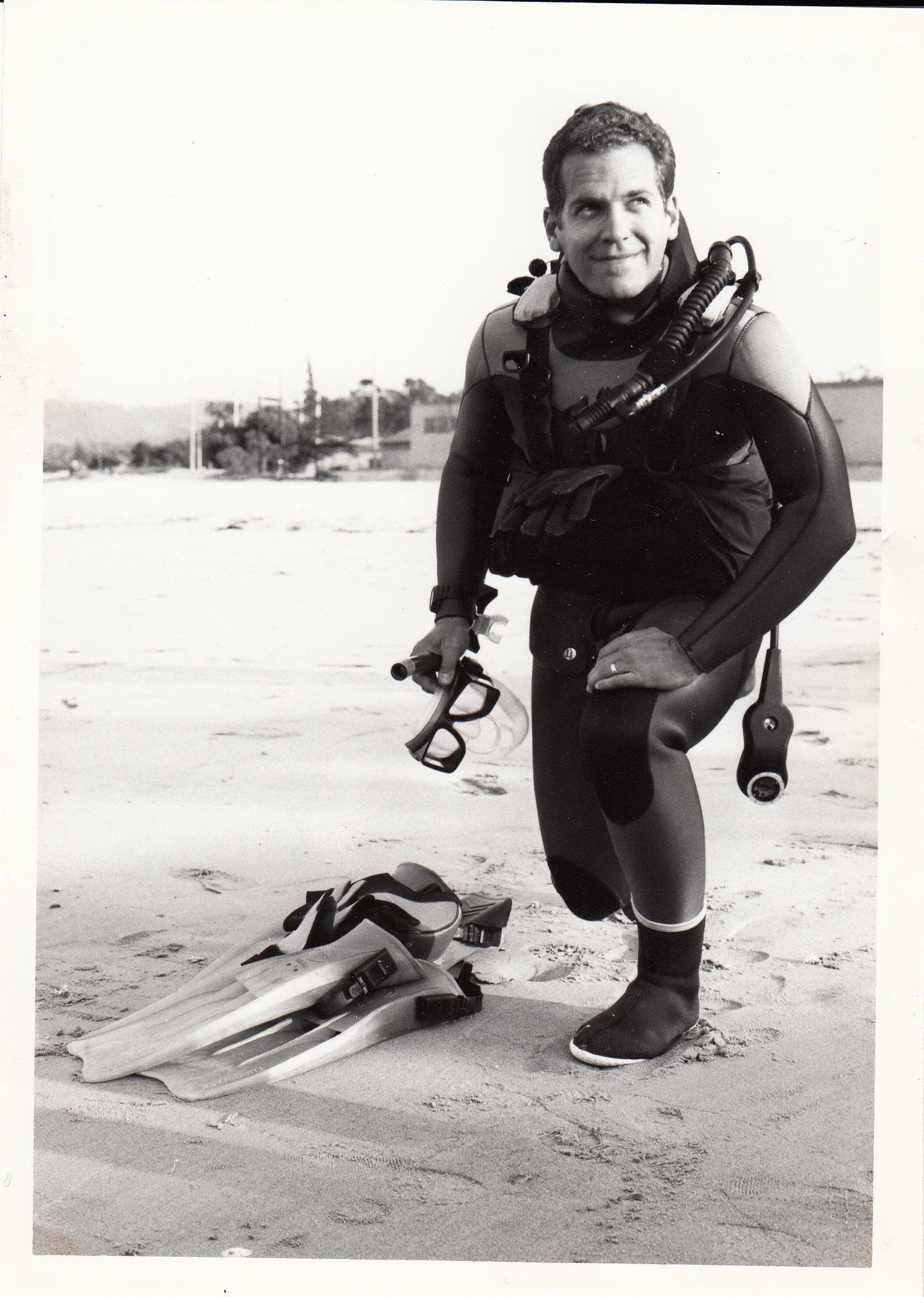
5mm of neoprene… still hypothermic.
In our first California duty station, we learned to dive Monterey Bay. We bought used gear from dozens of military families who’d learned to dive in Hawaii but didn’t want to experience Monterey’s cold water. Those same families were also selling dozens of surfboards from Hawaii— but now they couldn’t imagine having to wear neoprene in the bay’s Asilomar surf break.
A few years later when we were stationed in San Diego, I used to gaze down from an office window (on the peak of Point Loma) at the crowded lineup bobbing in the swells on the Pacific side. (Wearing 2-3mm of neoprene.) A few of those people were shipmates who surfed during their lunch breaks.
At one of my Hawaii commands, a shipmate took leave explicitly for a large and sustained swell working its way up (from the Tasman Sea’s winter storms) to Oahu’s summer south shore. He read the surf forecast every morning and he planned ahead. He was going to surf every day of that swell (unlike California, no neoprene needed in summer!), and he didn’t want minor distractions like paid employment or watchbills to mess with his priorities.
At another Oahu command, a shipmate had surfed for most of his life. At work, he frequently complained about the choice between (1) giving up an hour of sleep for dawn patrol before heading to work, or (2) sleeping in before having to commute past his favorite break, forced to see how awesome the surf would have been if he’d made the time for it.
Even when we were surrounded by surf culture– I just wasn’t ready. I remember hanging out on White Plains Beach during a family weekend, watching our daughter play in the shorebreak while we parents relaxed on the sand and talked about our life after Navy. The beach was jam-packed solid with crowds, longboards, short boards, and boogie boards. People were even setting up their cameras with long zoom lenses on tripods. In retrospect, the surf that day was at least 6-8 feet.
I didn’t realize the same would happen even at small beaches with lava-rock outcrops.
Why Yes, Yes You Can Surf All Day.
My surfing awareness finally dawned in late 2001 when my military retirement request was approved. I started working through my retirement checklist, and the word spread that our family planned to stay in Hawaii. Most of my well-meaning military network felt that my retirement plan was a mistake in a terrible Oahu job market. (“Do you want to work at Pearl Harbor shipyard or Hawaiian Electric Company??”) The most vocal shipmates were also the furthest from their own financial independence.
In their experience (not much), I should do a nation-wide career search and then move wherever the bridge career was. Maybe with a real job (I already had the haircut) I could earn enough real money to retire.
Besides, what was I going to do with my retired life on a small island? Surf all day?
I belatedly realized that these people hadn’t figured out their financial independence yet. (Let alone decided to reach it during military service.) Yet they made a good point about surfing all day– and now I had the time to explore that activity after FI!
On the first day of my retirement, we took a family lesson at the Fenceline break of White Plains Beach… and 24 years later I still line up at that spot.
These days, when we’re not traveling the world then I paddle out 2-3 times per week. (If we’re staycationing at a beach cabin then I’ll paddle out every day for dawn patrol and sunset surf. Usually both.) Even if there’s not at least 1-3 feet for a longboard on the North Shore (winter) or the south shore (summer), I’ll still paddle out on my stand-up paddleboard.
I’ll paddle something out on the ocean for the rest of my life. About the only thing keeping me out of the water is sustained winds of over 20 knots. Maybe for windy days I should learn to windsurf, kite surf, or foil surf.
People frequently ask me about learning to surf– especially in Hawaii. Just over 20 years ago I started showing friends how to paddle into waves, and I might have mentioned it on a few podcasts over the decades. *
Of course Waikiki is the most popular place on Oahu for surfing lessons. If you’re staying there then take a look at the beach concession behind the Outrigger Reef (by Fort Derussy Beach Park) or at Hilton Hawaiian Village. Military families can talk with the activities desks at the Hale Koa Hotel or set up a surf lesson from the lifeguards at White Plains Beach on Kalaeloa.
I’ve also watched the North Shore’s surf instructors (for decades!) up at Pua’ena Point Beach Park.
During winters, Pua’ena has three distinct breaks with sizes from “never surfed before” (on the inside) all the way up to the impactful “at least double overhead” outside break. (Northwest swells are particularly good at Pua’ena.) During summers there’s usually still a small break close to the beach, and the trucks & vans of North Shore Surf Girls and Uncle Bryan are there every day.
New happy surfers… every day.
As I paddle out there, I also enjoy watching Ash teaching new surfers. Last weekend I finally got his contact info (see the photos): HISurfSchool.com and 808-256-7226. He’s one of the best instructors I’ve seen (and I’ve seen a lot of them) and he’s also fun to watch. When I pass his new surfers on the inner break, you can practically feel the stoke radiating off of them… or maybe they’re just enjoying my usual goofy grin.
My high point of a January weekend swell was watching Ash coach an older guy who clearly knows how to paddle but who might have been out of the waves for a few years. I had a great session with friends & family, and even more: I enjoyed watching Ash work with him.
* (I’m happy to paddle out with you if you’re already a surfer! My favorite summer break, White Plains Beach on Kalaeloa, is Navy property. Their lifeguards run the surf instruction program.)
A Different Call To Action
Where will your financial independence take you?
What will you do on your first day after quitting paid employment? A month after? Six months later?
What possibilities are around you now, worth exploring today even if you’re still pursuing FI?
There are no affiliate links or paid ads in this post. Try your military base library or local public library before you pay money for these books– in any format.
Military Financial Independence on Amazon:
 |
|
Raising Your Money-Savvy Family on Amazon:
 |
|
Related articles:
All of our podcast appearances since 2013.
Lifestyles in Military Retirement: Surfing Photos
Lifestyles in Military Retirement: Learning to Surf in Hawaii
Lifestyles in Military Retirement: Surfing
21.5 Years Of Financial Independence and Early Retirement
20 Years Of Financial Independence & Military Retirement


 Military Financial Independence